
All professionals working with children need to be able to identify and respond to concerns of child sexual abuse, especially in a home setting. Whilst it is possible for all victims and survivors of intra-familial child sexual abuse to recover from their abuse, research suggests that abuse by a family member can be serious and chronic. Evidence suggests the impact of this is best mitigated when supported by professionals who show care and compassion, facilitate choice, control and safety, and are trained to best support them and their wider families.
Intra-familial child sexual abuse is a one-day in-person course designed for all professionals working in collaboration with other agencies, to provide an overview of the key issues to support them in identifying and responding to cases of intra familial child sexual abuse.
Who is this course for?
This course is for all professionals working with children, young people and/or their parents or carers. This may include roles across education, health, children’s social care, youth offending, prisons, probation, police, adoption services, fostering services who work as part of a multi-agency arrangement or safeguarding partnership.
Who will run the course?
This course will be led by two expert trainers with significant experience in practice, training, and working within multi-agency safeguarding arrangements.
What can you expect to gain?
Following the course, you can expect to a have better understanding of:
This course will give you a greater confidence in responding to concerns of intra-familial child sexual abuse and will also improve your ability to identify the potential signs and indicators of sexual abuse.
This webinar is designed for community sector organisations that want to better understand local need and inequality. It will introduce the latest English Indices of Deprivation and demonstrate how this powerful dataset can be used to identify areas of greatest disadvantage, strengthen funding bids, and support the planning and delivery...
Find out more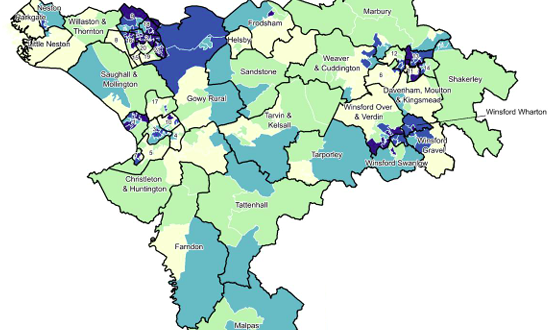
This qualification is typically delivered over one working day. It is designed for those working in lower risk workplaces, or higher risk workplaces with a lower number of staff and visitors.
Find out more
Receive weekly updates with the latest news and information for community sector organisations
Sign up here